Dental Reconstruction in Boston, MA
If a dentist has told you that you need "a lot of work," and you're honestly not sure where to begin, you've found a good place to sort it out.
Full dental reconstruction rebuilds worn, damaged, or missing teeth so your bite works properly again and your smile looks like itself. At Lewis Wharf Dental, Dr. Rasool and our team handle these complex cases every week, and the first step is always the same: understanding your whole situation before anyone recommends a thing.
We're a multi-specialty group on the downtown Boston waterfront, at 28 Atlantic Avenue on Lewis Wharf. Our care is grounded in prosthodontic training, which means we focus on restoring how your teeth function, look, and hold up over the long run, rather than treating each tooth in isolation. If you'd like a clear picture of where things stand, call us at (617) 227-4831 or schedule a visit to set up a consultation. You can also reach out through our contact page.
Quick Takeaways
- What it is: Reconstruction coordinates several treatments to rebuild worn, broken, or missing teeth and restore a healthy bite.
- Where to start: Every case begins with a thorough consultation, so you understand your options before any decision is made.
- What to ask: Bring your questions about sequencing, timeline, and cost; a good plan should answer all three clearly.
- Who leads it: Dr. Rasool is a Harvard-trained prosthodontist, and prosthodontic training is built specifically for complex, multi-tooth work.
- The next step: Take your time deciding; second opinions are welcome (more on that in our FAQs below). When you're ready, learn more about our Boston practice or get in touch to schedule.
How Dental Reconstruction Works
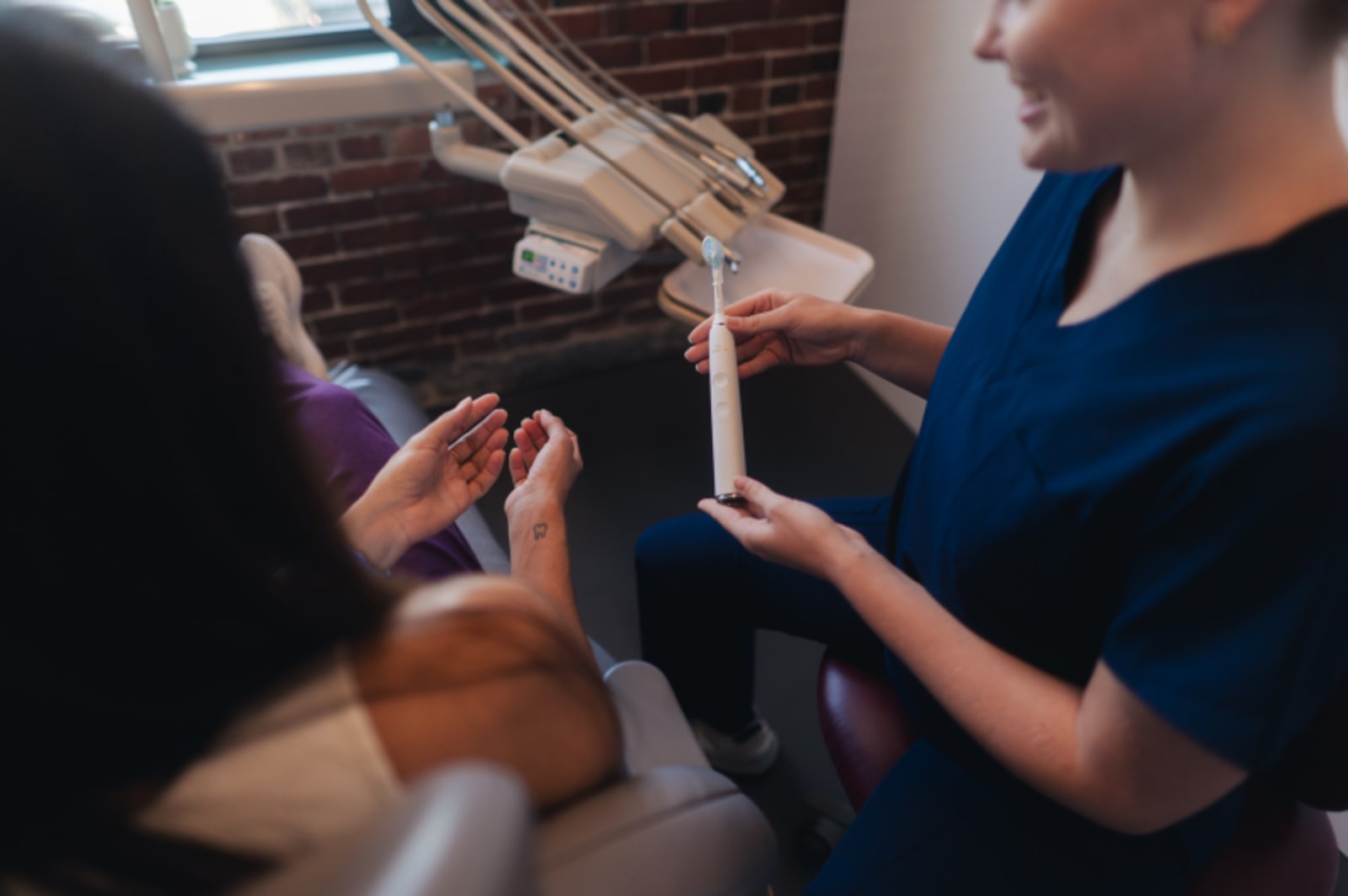
Reconstruction isn't a single procedure. It's a coordinated plan that may combine crowns, bridges, implants, and other restorative work, sequenced so each piece supports the next. Here's how the process generally unfolds.
- A start-to-finish evaluation. We examine your teeth, gums, bite, and jaw function, and review any X-rays or records you can bring. Our cone beam imaging and digital scanners let us see the full structure clearly, not just the visible damage.
- A diagnosis in plain language. We explain what's actually happening, why it's happening, and what it means for your long-term health. No jargon will get dumped on you without translation.
- A sequenced treatment plan. You'll see the recommended steps in order, with realistic outcomes for each phase and where the healing pauses fall.
- Phased treatment. The work is carried out in the planned order. Some phases happen close together; others wait for healing before the next begins.
- Final restoration and follow-up. Once everything is in place, we check that your bite, comfort, and appearance all hold together, and we set you up to maintain the result.
Every phase is guided by our team of Boston specialists in cosmetic and periodontic dentistry, so the plan reflects the full picture of your oral health.
The Benefits of Rebuilding Your Smile
- Comfortable, reliable chewing. When your bite is restored to the right height and position, eating stops being something you work around.
- A bite that distributes force properly. Balanced occlusion protects your restorations and your remaining natural teeth from uneven wear.
- An appearance that looks like you. Rebuilt teeth restore tooth height and fullness, which softens the aged, worn-down look that bite collapse can cause.
- Better long-term oral health. Addressing failing restorations and structural problems now helps prevent bigger issues later.
- Durability that's planned for. Prosthodontic planning weighs how restorations will hold up over years, not just how they look on day one.
- Clearer speech and confidence. Teeth that fit and function properly make speaking, smiling, and everyday moments feel natural again.
Is Reconstruction Right for You?
Most people who come to us for this kind of care share a quiet, gradual story. Life got busy, appointments slid, and older dental work didn't hold up the way it was meant to. You might recognize your own situation here:
- Routine cleanings and fillings no longer feel like enough for what's going on.
- Your teeth have worn down noticeably from grinding, clenching, or long-term stress on your bite.
- A past injury left changes that were never fully addressed.
- Crowns, bridges, or older restorations are failing or no longer fitting right.
- Your bite feels different when you chew or speak.
- You've seen other providers without feeling like anyone looked at the full picture.
None of this reflects a failure on your part. Dental needs change over time, and some situations simply call for more coordinated care than a maintenance schedule can provide. Still, not everyone who thinks they need full reconstruction actually does. Sometimes a few targeted repairs handle it, and we'll tell you that honestly if that's what we find. The only way to know which category you fall into is a proper evaluation.
Timeline: What to Expect
The honest answer to "how long will this take?" is that it depends, and that can honestly feel frustrating when there's no clear plan behind it. With us, there is. Careful sequencing is what separates a predictable outcome from a drawn-out one.
Some cases resolve in a matter of months. Others unfold over a year or more, because healing, bone response, and the order of procedures genuinely affect the final result. The factors that shape your timeline most:
- How many teeth and structures are involved
- Whether extractions, grafting, or implant placement need to heal before the next phase
- How existing restorations interact with the planned work
- Your body's individual healing response
Whatever your case looks like, you'll leave your consultation with a sequenced plan and clear milestones. You won't be moving appointment to appointment without knowing what's coming next.
Preparing for Treatment and Caring for the Result
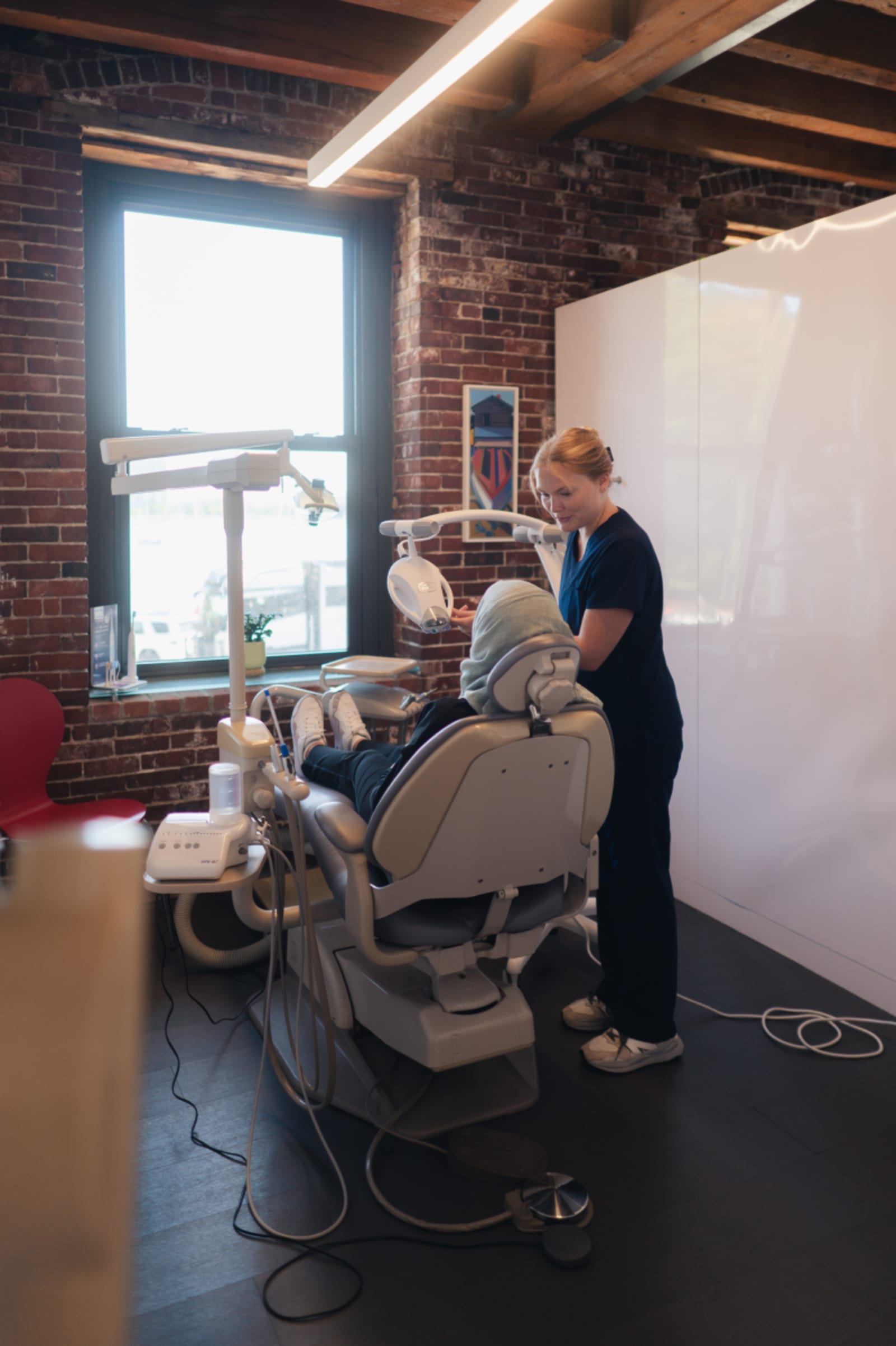
Getting ready for a reconstruction consultation is simple. Gather any recent X-rays, records, or notes from other providers, and write down your questions and the symptoms that brought you in. If cost or insurance is on your mind, bring your plan details so we can talk through them honestly.
Before any treatment begins, we'll provide you with a cost estimate and take the time to answer all your questions. We accept Blue Cross & Blue Shield and Delta Premier, submit claims on your behalf, and work with you to maximize your coverage. Convenient payment options and CareCredit financing are also available.
Once your reconstruction is complete, the result lasts longest when you care for it the way you would healthy natural teeth:
- Brush and floss daily, giving attention to the margins where restorations meet your gums.
- Keep your regular hygiene visits so we can monitor how everything is holding up.
- If grinding contributed to the original damage, wear the night guard we recommend to protect your new work.
- Give any healing phases the time they need before returning to hard or chewy foods.
Cost, Insurance, and Financing For Dental Reconstruction
Reconstructive work is a meaningful investment, and you deserve to understand exactly what you're agreeing to before anything begins. Because the cost depends entirely on the scope of your plan, we don't publish one-size-fits-all price ranges. What we do give you at your consultation is a clear, itemized estimate, along with answers to every question you have about it.
We accept Blue Cross & Blue Shield and Delta Premier, and we'll submit your claims and work with you to make the most of your coverage.
When financing helps, we offer a variety of convenient payment options, including CareCredit for spreading larger plans over time. The point of the financial conversation is straightforward: you should feel confident about the clinical recommendation and the cost picture together, before you decide anything.
Why Patients Choose Lewis Wharf Dental for This Work

Prosthodontics is one of dentistry's recognized specialties, and the difference matters most when the work is complex. Replacing a single tooth is straightforward. Rebuilding several teeth, restoring a full arch, or correcting a bite that has shifted over years calls for training that goes well beyond general dental school.
Dr. Rasool trained as a prosthodontist at Harvard School of Dental Medicine and served as full-time Harvard faculty for twelve years. That academic grounding shapes how we plan complex cases: with research-backed knowledge and years of hands-on specialty experience, alongside colleagues in periodontics and other specialties right here in the practice. Dr. Rasool, Dr. Neda, and Dr. Crohin have each been named a Boston Top Dentist since 2019.
If you're weighing your options, these distinctions are worth understanding:
- Complex, multi-tooth cases require decisions about bite, structure, and appearance to be made together — not tooth by tooth. Prosthodontic training is built around exactly that kind of planning.
- How your bite is rebuilt determines how forces distribute across your teeth and jaw over time. Get that wrong, and restorations fail earlier than they should.
- We don't move faster than you're ready to. You'll understand your situation fully before any decision is made, and there's no pressure to commit at the first visit.
Many patients arrive here already referred by a general dentist, and others come having researched enough to know they want a specialist from the start. Either path makes complete sense to us.
Frequently Asked Questions
How do I know if I need reconstruction or just standard restorative work?
It usually comes down to how many teeth are involved and whether your bite, jaw function, or bone structure needs attention alongside the visible damage. A thorough evaluation makes clear which category fits your situation.
Will I feel pressured to commit at the first consultation?
No. The first visit is a conversation and an assessment. You'll leave with a clear understanding of what's happening and what your options are, not an obligation to proceed.
How is a prosthodontist different from a general dentist for reconstruction?
A prosthodontist is the specialist trained specifically to plan and restore complex, multi-tooth cases as a connected whole rather than one tooth at a time.
Can I get a second opinion if I've already been told I need extensive work?
Yes, and we'd encourage it. Seeking a second opinion on a significant treatment plan is a reasonable, responsible step, and any practice worth trusting will respect it.
How long does a full reconstruction take from start to finish?
It depends on the scope of the work and whether healing phases are involved. Some cases resolve in a few months; others unfold over a year or more. Your timeline is laid out clearly before treatment begins.
What does the consultation actually include?
A full clinical exam of your teeth, gums, bite, and jaw; a review of your existing records with any additional imaging we need; a plain-language explanation of the findings; and a treatment plan discussion covering sequencing, realistic outcomes, and what each phase involves.
Ready to Understand Your Options?
Researching reconstructive dentistry takes care, and it should. There's a lot to weigh, and wanting a clear picture before you commit is exactly the right instinct. A consultation with us is simply a conversation: you'll leave understanding your situation, what's possible, and what a realistic path forward looks like, all at your own pace.
Give us a call at (617) 227-4831 to find a time that works for you at our Lewis Wharf office on the Boston waterfront. We're open Monday through Thursday, 8am to 5pm, and we'd be glad to help you get some clarity. You can also reach us through our contact page.