Full-Mouth Reconstruction in Boston: One Coordinated Plan for a Complicated Situation
If you've been handed a stack of recommendations from different providers and no clear sense of how they fit together, you should know that a full-mouth reconstruction ties it all into one cohesive plan. It brings your teeth, gums, bite, and bone back into working order together, in the right order, so nothing gets treated in isolation. The goal of this treatment is a mouth that functions comfortably again, not just a nicer-looking smile, though that usually comes along with it.
Dr. Faheem Rasool and the team at Lewis Wharf Dental handle this work on the Boston waterfront at 28 Atlantic Avenue.
Dr. Rasool is a Harvard-trained prosthodontist, meaning three years of specialty training beyond dental school focused on rebuilding complex cases. When your situation calls for another specialist, we coordinate that ourselves rather than handing you a referral and wishing you luck. And we're currently welcoming new patients across the Boston area.
Everything starts with a comprehensive exam. From there you'll have a plan you can follow, a realistic timeline, and a dedicated team that understands the whole picture. To talk it through, call us at (617) 227-4831.
Quick Takeaways
- Full-mouth reconstruction is a sequenced treatment plan, not a single procedure, addressing structure, function, and appearance together.
- It's driven by clinical need, missing teeth, worn bite, failing restorations, rather than appearance alone.
- Dr. Rasool's prosthodontic training is built for planning cases where many issues affect one another.
- When your case needs a periodontist, oral surgeon, or endodontist, we coordinate it so your care stays connected.
- Ask any prospective provider who is leading the plan and how the phases are sequenced; it's the question that matters most.
- Your first step is a thorough exam, and you'll leave with a clear plan instead of disconnected procedures.
How Full-Mouth Reconstruction Works, Step by Step
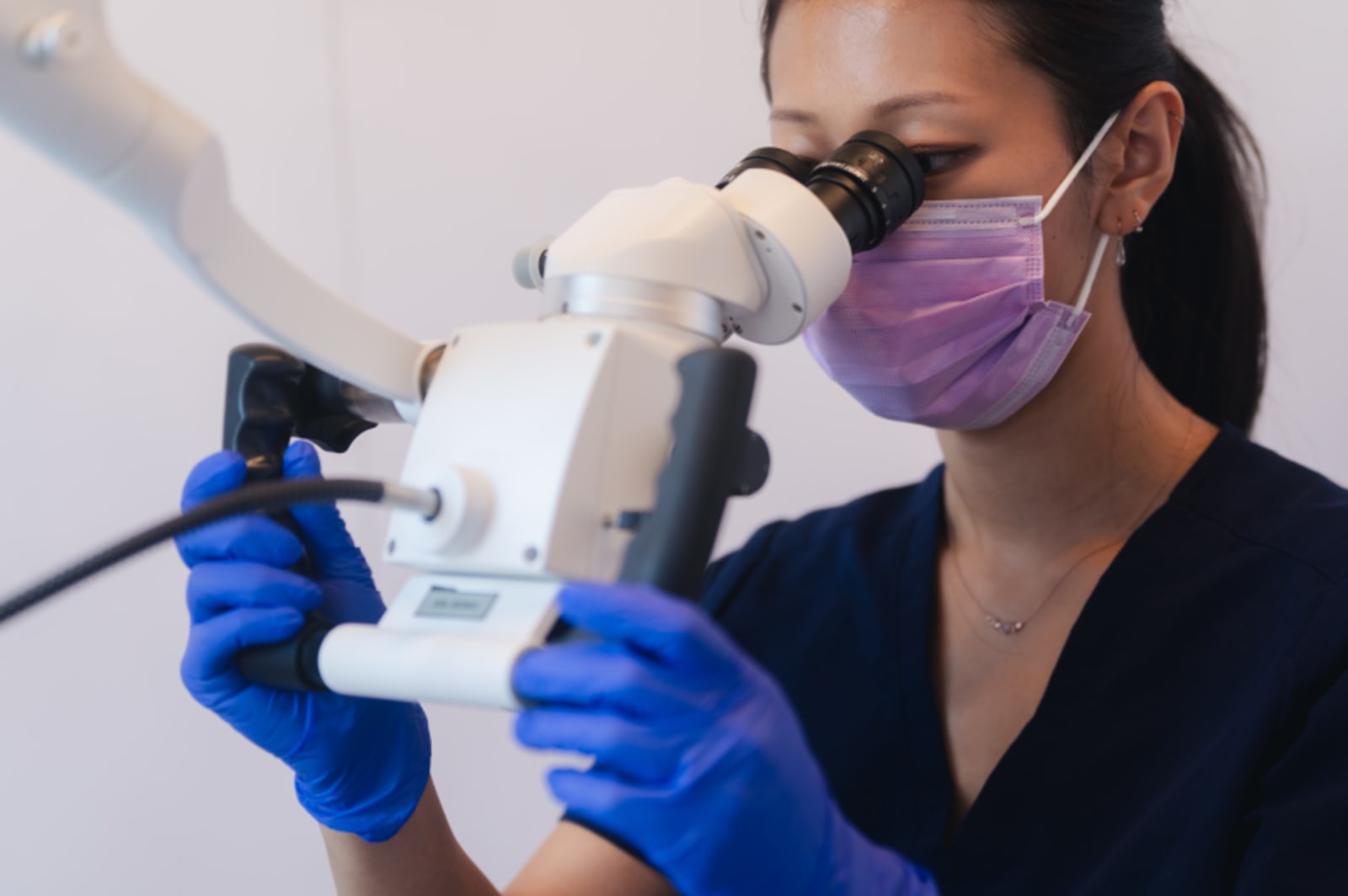
Knowing what comes next tends to take the anxiety out of a big treatment plan. Here's how the process moves from your first visit to the final result.
- Comprehensive evaluation and records. We build the full picture with X-rays, clinical photos, a bite analysis, and a careful exam. This is the diagnostic foundation everything depends on.
- Diagnosis and treatment planning. Dr. Rasool maps the complete sequence before anything starts. You'll understand what's planned, in what order, and why each step matters.
- Preparatory work, when needed. Some mouths need gum treatment, extractions, or bone grafting before restorative work can begin. If that applies, we'll explain it plainly upfront, never as a surprise.
- The restorative phase. This is where the plan takes shape, whether crowns, implants, bridges, or a combination working together.
- Final delivery and follow-up. Once restorations are placed, we check fit, function, and comfort, then stay involved to make sure everything holds up.
The pace depends on your case. Some people move through in a few months; others need more preparation time. What stays the same is the structure, so you're never left guessing about the next step.
What You Gain From a Coordinated Rebuild
When several problems get solved as one connected plan, results tend to be more comfortable and durable than a string of separate repairs. In practice, you get:
- A bite that works again. Eating and chewing become comfortable when the whole bite is rebuilt at the correct height instead of patched tooth by tooth.
- Restorations that fit together. Each crown, implant, or bridge is designed with the others in mind, so nothing overloads a neighboring tooth or joint.
- Better long-term health. Addressing gum and bone issues alongside the teeth protects the foundation your restorations rely on.
- A natural, balanced appearance. Restoring proper proportions often relaxes the strain years of wear or collapse can put on your face.
- Fewer surprises down the road. A plan built with the final result in view is far more predictable than repeated one-off fixes.
- One point of contact. You always know who's steering the plan, which keeps the process from fragmenting across offices.
Is Full-Mouth Reconstruction Right for You?
A good plan is only as good as the diagnosis behind it. Full-mouth reconstruction isn't a premium upgrade or elective add-on. It's the right answer when several parts of your mouth are compromised at once and treating them one at a time would leave the real cause untouched. People who benefit most usually recognize themselves in these situations:
- Significant tooth loss. Missing several teeth changes how your bite carries load, and restoring one without accounting for the rest rarely holds.
- Severe wear from grinding or acid erosion. When enamel is worn across many teeth, the bite needs rebuilding at the right height, not patching piece by piece.
- Bite collapse. Years of loss or wear can let the jaw close too far, affecting joints, muscles, and appearance at once.
- Multiple failing restorations. Old crowns, bridges, and fillings breaking down together often point to a bigger pattern, not bad luck.
- Trauma. An injury involving several teeth, bone, or surrounding tissue usually needs coordinated care across disciplines.
- Combined gum and bone disease with tooth damage. When foundation and teeth are both affected, sequencing matters as much as the treatments.
If your concern is really about a single tooth or purely appearance, a more focused treatment may serve you better, and we'll tell you so. The common thread in reconstruction cases is that each problem influences the others, which is why one clinician looking at the whole picture makes such a difference.
Why Prosthodontic Training Changes the Care You Get
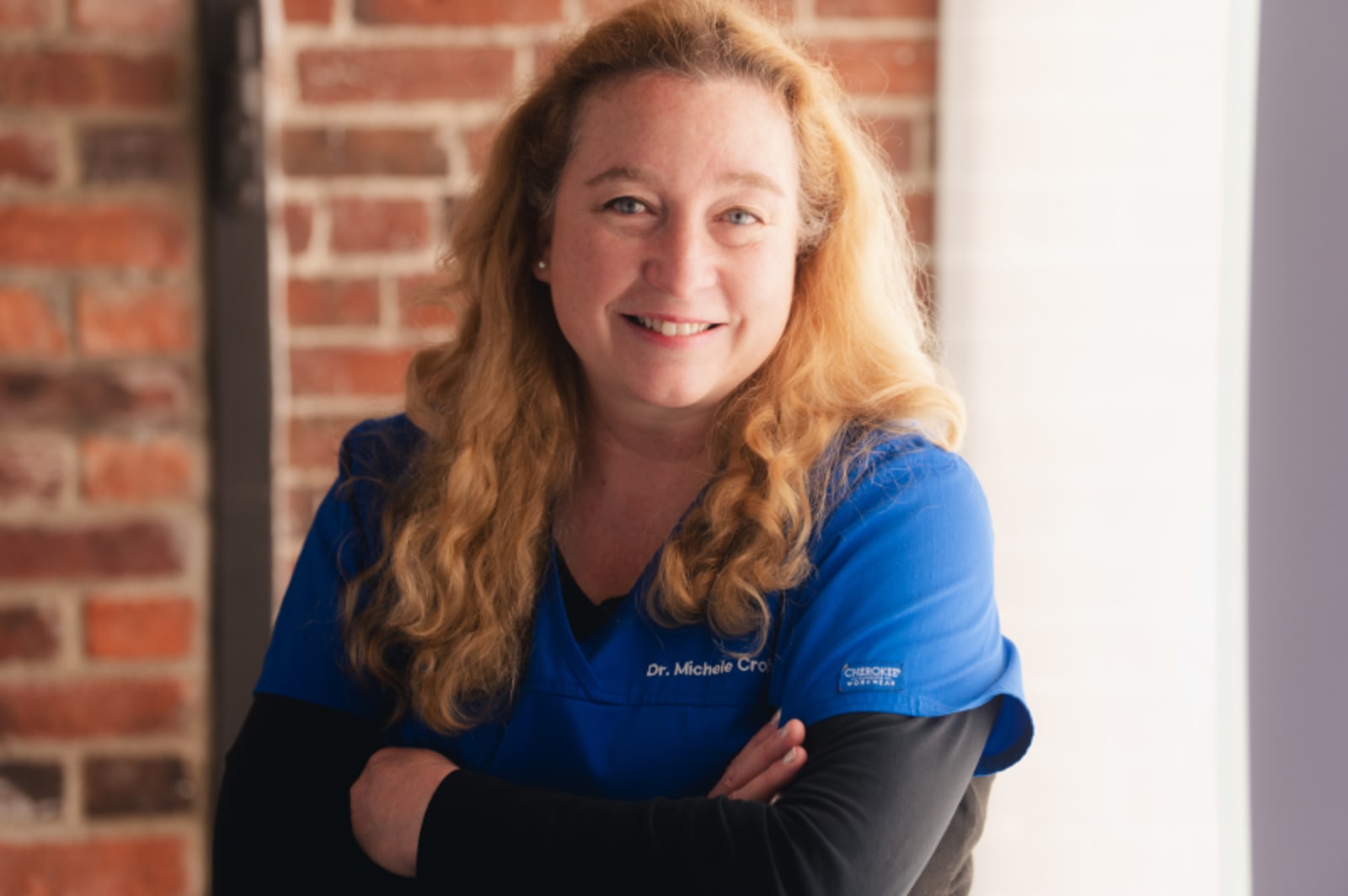
Prosthodontists complete three extra years of training beyond dental school, focused on restoring and replacing teeth, managing tricky bite relationships, and planning cases where many systems work together. That depth of expertise shows from the first appointment.
General dentists are skilled clinicians who handle a broad range of care well. Reconstruction is a different animal: a sequenced, interdependent plan where an early decision quietly shapes a later outcome. Prosthodontic training is built around that thinking, how the bite behaves as a whole, how restorations relate, and how to direct other specialists from real clinical authority. For a complex case, that translates into a few concrete things:
- The treatment is planned as one system, not procedure by procedure.
- Sequencing is deliberate, so each phase supports the next.
- Specialist coordination happens with intention, not guesswork.
- How your teeth meet is designed into the plan from the start, not corrected afterward.
Dr. Rasool spent twelve years as full-time faculty at Harvard School of Dental Medicine and has been named a Boston Top Dentist since 2019. When you're investing this much in your health, knowing who's leading your care, and why they're qualified to, is a fair thing to ask. Plan your visit to talk through your specific case.
Specialist Care, Coordinated From One Place

Reconstruction rarely runs through a single provider. Depending on your needs, the path may involve a periodontist, oral surgeon, or endodontist before restorative work starts. That's not a complication; it's what thorough care looks like. The part that matters is who's holding it together.
Here, the prosthodontist builds the master plan before any specialist work begins. That plan sets the clinical goals, orders each phase correctly, and makes sure every provider's work points toward one unified result. We keep referral relationships with local specialists we trust, so when a referral makes sense, it goes to someone whose standards we already know. The coordination stays with us.
This matters clinically, not just for convenience. Cases can go sideways when specialists work from incomplete information, or when restorative decisions get made before the foundation is sorted out. Keeping a prosthodontist at the center keeps the sequencing sound and the outcome predictable.
Preparing for Treatment and Caring for the Result
There isn't much you need to do beforehand except bring your full history. If you have older X-rays, records from previous dentists, or a list of what's been bothering you, share it. The more we know about past work, the sharper your plan will be. If you grind your teeth, have sensitive areas, or get anxious in the chair, tell us early so we can plan around it.
Aftercare depends on what you had done, and we'll give you specifics tailored to your restorations. In general, a rebuilt mouth thrives on the same habits that protect natural teeth:
- Brush and floss daily, with any tools we recommend for cleaning around implants or bridges.
- Keep your regular checkups and cleanings so we can catch small issues before they grow.
- Wear a night guard if grinding was part of what damaged your teeth.
- Ease back into harder foods as directed, especially in the weeks right after major restorations.
Well-planned reconstruction is designed to last, and consistent home care plus regular visits is what carries it the distance.
Cost, Insurance, and Financing
Cost
Full-mouth reconstruction is a real financial commitment, and the total depends on how many procedures your plan involves and which ones. No single price fits every case, so we don't post ranges that might not reflect yours. Before any treatment begins, we'll give you an estimate and answer every question, so you know what's involved and what it's likely to cost.
Insurance
Insurance may cover portions of the work, especially components considered medically necessary like certain extractions or restorations. We accept Blue Cross & Blue Shield and Delta Premier, we'll submit your claims, and we'll work with you to make the most of your coverage. Full coverage for an entire reconstruction is uncommon, but a plan often contributes more in specific areas than people expect. If you'd like to confirm your benefits, our new patient page outlines what to bring, or you can call us at 617 227 4831.
Other Payment Options
For the remaining balance, we offer a variety of payment options, along with CareCredit when financing helps. And take the long view: putting off comprehensive treatment usually means a running tab of repairs, temporary fixes, and complications. Solving the root problem tends to be more predictable, clinically and financially, than chasing it piece by piece.
Why Patients Choose Lewis Wharf Dental for Complex Cases
When a case adds up to a significant rebuild, the provider you choose matters well beyond a friendly chairside manner. People arrive here having already done their homework, and what they find is a practice built around this kind of work.
The core is prosthodontic specialty training, the discipline devoted to restoring and replacing teeth so they hold up and function the way natural teeth should. That lens shapes how every case gets evaluated: not one failing tooth in isolation, but bite relationships, bone support, gum health, and how each restoration interacts with the rest.
Dr. Neda, Dr. Nagai, and Dr. Crohin, our periodontist and implant specialist, round out a multi-specialty team, and Dr. Crohin's presence means much of the periodontal groundwork can stay in-house. Feel free to take your time to learn more about our practice and team.
Our approach is patient-centered in a plain sense: we meet you where you are, clinically and emotionally, without judgment, and we hold to a simple standard to do no harm.
We show up for this work because helping people feel better and healthier is genuinely why we do it, and you'll see that from the first consultation to the final restoration.
Frequently Asked Questions
How is full-mouth reconstruction different from cosmetic dentistry?
Reconstruction addresses function, health, and structure first. It's the right path when missing teeth, bite problems, or heavy wear affect how you eat, speak, or feel. Cosmetic dentistry focuses mainly on appearance. The results of reconstruction are often beautiful too, but that's a bonus of restoring what was lost.
How do I know if I need a prosthodontist instead of my regular dentist?
If your situation involves several missing teeth, significant structural damage, or a mix of restorative and bite concerns, a prosthodontist's training is built for that complexity. Dr. Rasool's prosthodontic background is geared to exactly this kind of case. A conversation with our team can help clarify whether your situation calls for that level of care.
Can everything be handled at one office, or do I need multiple specialists?
Many cases can be coordinated and completed right here, including much of the periodontal and implant work in-house. When something falls outside our scope, we refer to colleagues we trust and stay involved. The goal is the right outcome for you.
How long does full-mouth reconstruction take?
It depends on what your mouth needs. Some cases take a few months; others unfold over a year or more. We'll give you a realistic timeline at your first appointment rather than a number meant to sound reassuring.
Will dental insurance cover any of this?
Some procedures within a reconstruction may be covered, at least partly, depending on your plan. We accept the plans listed in the cost and insurance section above, and we'll help you understand what applies to your specific treatment before you commit.
What happens at the first appointment?
We listen first. Then we do a thorough exam, review any imaging we need, and walk through what we're seeing. You leave with a clear picture of your options, not pressure to decide on the spot.
Ready for a Clear Picture of What Your Mouth Needs?
If something hasn't felt right for a while and you're not sure where to start, a comprehensive evaluation is built to answer that. You come in, we take a careful look, and you leave with real information about what's going on and what your options are. For many people, an honest assessment from a team they trust is what finally makes the path forward feel clear.
We see new and returning patients Monday through Thursday, 8:00 am to 5:00 pm, on the Boston waterfront at 28 Atlantic Avenue.
When you're ready, call us at (617) 227-4831 to schedule your evaluation.